
A Guide to Warehouse Automation, Productivity & Labour Shortages
As warehouse automation solutions continue to evolve, robotics is transforming how operations are managed. While some fear that robotics may lead to job losses, in practice, it is reshaping roles, improving safety, and creating opportunities for upskilling rather than replacing human workers.
Automation allows employees to develop new skills, improve job satisfaction, and take on more strategic responsibilities within warehouse environments. At the same time, automated systems improve accuracy in areas such as order picking, data entry, and inventory management, while inspection technologies help identify supply chain issues reliably and reduce operational pressure on staff.
Together, these advancements enable warehouses to scale operations more efficiently and adapt to changing demand. This article explores how automation and robotics support productivity and help address labour shortages across warehouse operations.
SHIFTING FROM MANUAL TASKS TO STRATEGIC ROLES
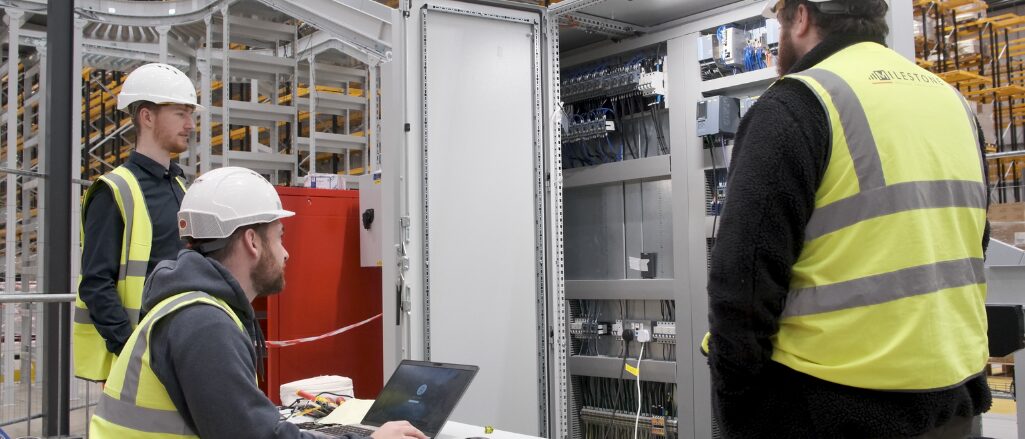
One of the most significant impacts of robotics in warehouses is the shift from manual, repetitive tasks to more strategic and engaging roles. Instead of spending long hours on physically demanding activities, such as lifting, sorting, or moving heavy items, workers can focus on overseeing robotic operations, managing workflows, and solving complex logistical challenges.
For example, robots can perform tasks like picking, packing, and transporting goods, increasing efficiency while reducing the risk of injury. This shift allows workers to move into supervisory roles, monitoring system performance and ensuring smooth operations throughout the supply chain.
Industrial automation also provides relief in harsh environments, such as areas with extreme temperatures or fluctuating humidity. This is particularly important in warehouses handling sensitive products, such as electronics or frozen goods, where careful environmental monitoring is essential.
ENHANCING WORKPLACE SAFETY
Robotics plays a vital role in enhancing workplace safety. By handling hazardous tasks, such as lifting heavy items or operating in high-traffic areas, automation can significantly reduce the risk of workplace injuries, creating a safer environment for human workers.
According to research from the UK’s Health and Safety Executive (HSE) for 2022/23:
- 2 million working days were lost due to ill health and injury, equivalent to roughly 1.4 days per worker.
- 29,000 workers suffered a non-fatal injury that led to 7 or more days off work.
- 21% of injuries were caused by handling, lifting, or carrying, the leading cause of injury for four consecutive years.
- 36% of workers requiring time off were affected by musculoskeletal disorders.
Robots equipped with advanced sensors can safely work alongside humans, performing tasks that require precision in environments that may be considered risky for manual operations.
Although safety training for staff remains essential, automated systems can be programmed with safety protocols to ensure smooth coordination during emergencies, such as fires, gas leaks, or chemical spills. These systems can quickly shut down affected areas, contain hazards, and alert human supervisors, reducing the likelihood of accidents and injuries.
UPSKILLING FOR THE FUTURE
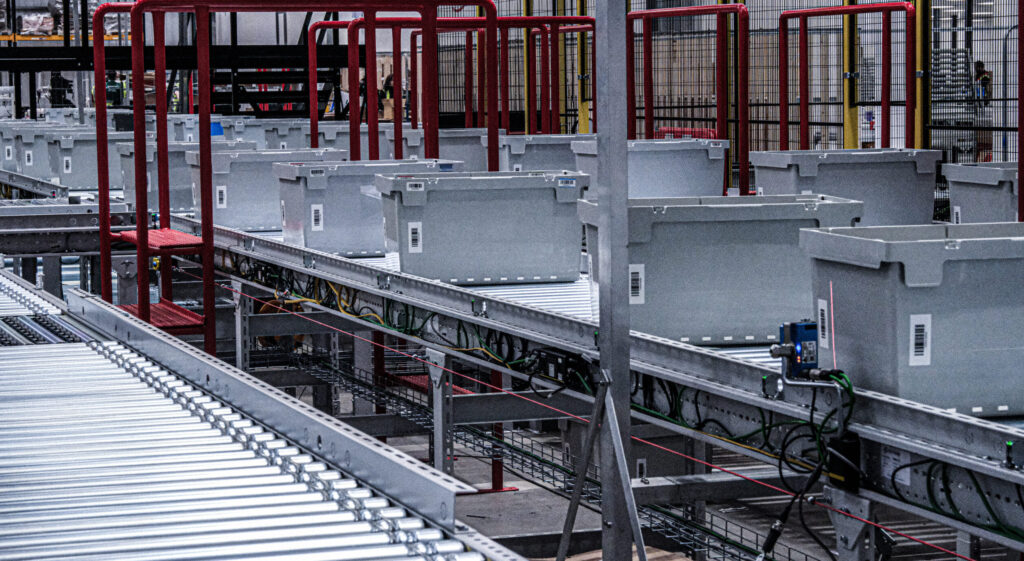
The integration of robotics in warehouses is driving a strong need for upskilling, empowering workers to acquire skills that align with the evolving demands of the industry.
Many companies, including Milestone Projects, provide training to help employees adapt to new technologies—such as operating and maintaining robotic systems, managing data analytics, and troubleshooting automation issues. Such training not only increases workers’ value in their current roles but also opens clear career paths for the future.
For example, learning how to program and maintain automated systems can lead to opportunities in robotics management, system optimization, and engineering support. Upskilling initiatives ensure that workers are well-prepared to thrive in increasingly automated environments.
This need for upskilling comes at a crucial time for the industry. According to research from Beaming:
- Almost half of UK SMEs are investing, or planning to invest, over £2 billion in automation, with more than a third aiming to streamline tasks and enhance efficiency.
- While most SMEs have already invested in some form of automation, 19% will implement it for the first time.
- 30% reported that improving accessibility, team communication, and collaboration are key objectives alongside automation and other technological investments.
These findings highlight a clear requirement for workforce upskilling to ensure employees can keep pace with rapid technological changes.
INCREASED JOB SATISFACTION & DECREASED TURNOVER
With robotics handling repetitive tasks, warehouse workers can experience higher job satisfaction. Employees are more likely to remain with a company that invests in their growth and provides opportunities to work with cutting-edge technology.
Recent figures indicate that 17% of logistics employees are considering leaving their roles due to excessive stress, with the physical demands of the job often contributing to this mental strain. By reducing the physical and mental burden associated with traditional warehouse roles, automation can also help lower employee turnover.
Introducing robotics allows businesses to create a more comfortable and sustainable work environment, addressing workforce challenges in an already tight labour market. Employees who feel valued and see clear growth opportunities are more likely to stay, contributing to a stable, skilled, and experienced workforce, while simultaneously improving the efficiency of warehouse operations.
KEY WAREHOUSE AUTOMATION SOLUTIONS ADDRESSING LABOUR SHORTAGES
As mentioned, labour shortages are becoming a significant challenge for supply chains worldwide, impacting productivity and operational costs. In the UK, there has been a growing concern over the shortage of workers in the logistics sector, due to factors such as Brexit and Covid.
The logistics industry is facing a shortfall of over 59,000 workers with the appropriate skills, experience and qualifications to keep up with the ever-evolving tech in the industry; what’s more, up to 20% of experienced engineers are due to retire in 2026.
Adopting warehouse automation can help bridge the gap, improving efficiency and reducing dependency on manual labour by giving businesses time and space to train employees to work alongside this tech.
Adopting warehouse automation can help bridge the gap, improving efficiency and reducing dependency on manual labour by giving businesses time and space to train employees to work alongside this tech.
Some common examples of this tech, include:
1. Warehouse Management Systems (WMS)
A Warehouse Management System is a type of software that helps facilitate the automation components communicate with each other and helps monitor material flow from the second goods arrive in the warehouse to the moment they are distributed.
Key Benefits: Reduced overstaffing, better stock management, and more proactive labour planning.
2. Automated Picking and Packing Systems
Automated picking and packing systems significantly reduce the need for manual labour in order fulfilment. Using robotic picking systems and automated guided vehicles (AGVs), warehouses can efficiently manage high-volume orders without a large workforce.
Key Benefits: Improved accuracy, increased speed, and reduced labour costs.
3. Labour Management Software
Labour management software (LMS) helps optimise staffing levels even with limited personnel. These platforms track employee productivity, identify bottlenecks, and suggest adjustments to staffing or scheduling to maintain efficiency.
Key Benefits: Enhanced visibility into workforce performance, optimised shift planning, and improved resource allocation.
4. Automated Storage and Retrieval Systems (AS/RS)
Automated storage and retrieval systems streamline the storage process, allowing goods to be stored and retrieved without human intervention.
These systems operate quickly and efficiently in various environments, such as cold storage or high-density warehousing.
Key Benefits: Faster retrieval times, maximised space utilisation, and reduced reliance on manual handling.
5. Automated Sorting and Conveyor Systems
Sorting and conveyor systems take over repetitive sorting, packing, and transportation tasks, reducing the need for manual labour in high-volume operations.
Key Benefits: Reduced handling time, improved order accuracy, and greater throughput.
CONCLUSION
Automation is not about replacing workers but enhancing their roles, improving safety, and creating new growth opportunities.
By embracing upskilling and focusing on collaborative automation, companies can ensure their workforce is prepared for a future where humans and robots work together to drive efficiency and innovation.
The integration of robotics continues to transform the warehouse landscape, empowering workers with new skills and opportunities.
This evolution represents a positive step toward a future where technology and human expertise combine to create safer, more efficient, and more rewarding workplaces.
If you’re interested in learning more about Milestone’s robotics and automation expertise for an upcoming project, you can book a call with us and for any further information get in touch with us here.

By Jared Storey
CEO
Jared is the Founder and CEO of Milestone Projects, a company focused on unlocking the potential of warehouses and supply chains through automation and engineering solutions.
With years of experience in warehouse integration and consultancy, Jared helps businesses harness both established and emerging technologies to drive efficiency and growth. Having worked as both a consultant and integrator, Jared founded Milestone Projects in 2022 to offer a comprehensive approach combining expert advice, hands-on implementation, and ongoing support.